
Best Flooring Options for a Home Renovation in Connecticut (2026 Guide)
Flooring sets the tone for every other decision in a renovation, cabinet color, trim, even paint. It's also one of the renovations most likely to actually get used and noticed every single day, which is why it's worth slowing down and picking the right material for each room rather than defaulting to whatever's trending on social media.
Here's how the most common flooring options compare for cost, durability, and where they work best in a Connecticut home.
Flooring Options at a Glance
| Material | Cost (installed, per sq. ft.) | Best For | Lifespan |
|---|---|---|---|
| Laminate | $3 – $8 | Budget-friendly, high-traffic living areas | 15–25 years |
| Luxury Vinyl Plank (LVP) | $4 – $9 | Kitchens, basements, bathrooms, families with pets/kids | 15–25 years |
| Engineered hardwood | $6 – $14 | Over concrete slabs, basements, most main-level rooms | 20–30 years |
| Solid hardwood | $8 – $25+ | Living rooms, dining rooms, long-term resale value | 30–100+ years |
Laminate: The Most-Installed Flooring in 2026
Laminate remains the single most popular flooring choice nationally, largely because it delivers a convincing wood or stone look at the lowest price point, holds up well to daily wear, and, since most laminate is made with recycled core material, appeals to homeowners looking for a more sustainable option. It's a strong fit for living rooms, hallways, and bedrooms where budget matters but you still want a clean, finished look.
Luxury Vinyl Plank: Best for Busy Households
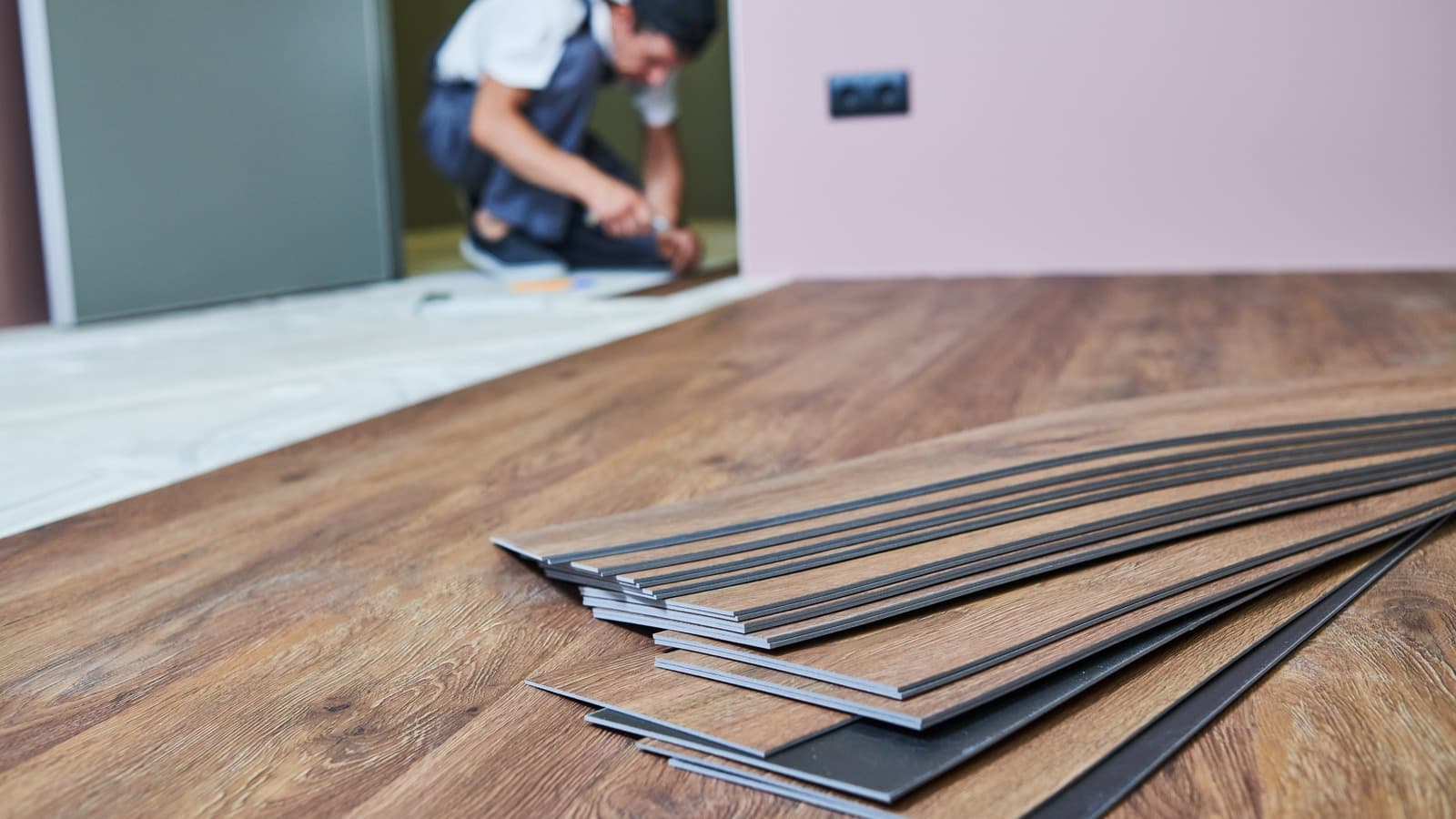
If your home has kids, pets, or a kitchen that sees real daily use, LVP is worth serious consideration. It's fully waterproof, scratch-resistant, and installs directly over most existing subfloors, which also makes it one of the more budget-friendly options for basements and below-grade spaces where solid hardwood isn't recommended.
Engineered Hardwood: The Practical Middle Ground
Engineered hardwood gives you a real wood wear layer over a stable plywood core, which means it can go in places solid hardwood can't, directly over concrete, in basements, or in homes with radiant heating, without the risk of warping. For Connecticut homes with finished basements or additions built on slab, this is usually the better long-term choice over solid wood.
Solid Hardwood: Still the Resale Standard
Nothing matches solid hardwood for classic appeal, and it remains one of the flooring upgrades most consistently tied to strong resale value in Connecticut's housing market, buyers notice it, and appraisers factor it in. It's a bigger investment upfront, but a well-maintained hardwood floor can be refinished multiple times over 30–100+ years rather than replaced.
2026 Flooring Trends Worth Knowing
- Warmer, earthier tones, homeowners are moving away from cool gray floors toward honey, walnut, and other warm wood tones
- Wide-plank formats, wider boards with matte finishes are replacing narrow, glossy strip flooring, partly because they hide everyday wear better
- Waterproof everything, even laminate and LVP lines marketed for kitchens and mudrooms now emphasize moisture resistance as a baseline feature, not an upgrade
- Pattern accents, herringbone and chevron layouts are increasingly used in entryways and dining rooms as a statement feature, even when the rest of the home uses straight-lay flooring
Matching Flooring to the Room
Not every room needs the same material. A common, cost-effective approach for a full-home renovation:
- Kitchens, mudrooms, bathrooms: waterproof LVP
- Living and dining rooms: engineered or solid hardwood
- Bedrooms: laminate or engineered hardwood
- Basements: LVP or engineered hardwood (never solid hardwood, due to moisture risk)
Planning Flooring Into a Bigger Renovation
Flooring is rarely a standalone project, it's usually one piece of a larger residential renovation. If you're already opening up walls or redoing a kitchen, it's worth sequencing flooring alongside interior painting and trim work so everything is installed in the right order and you're not paying for multiple trips.
Frequently Asked Questions
What's the most durable flooring for a home with pets? Luxury vinyl plank is generally the top choice, it resists scratches, is fully waterproof, and stands up well to claws and accidents.
Is engineered hardwood as good as solid hardwood? For most homes, yes. Engineered hardwood offers a real wood surface with better stability, and it can go in spaces (basements, over concrete) where solid hardwood isn't an option.
Does new flooring add value when selling a Connecticut home? Yes, particularly hardwood and engineered hardwood in main living areas, flooring is consistently cited as one of the renovations buyers notice first.
How long does a whole-home flooring installation take? Most single-family homes take anywhere from 3 to 10 days depending on square footage, material, and whether old flooring needs to be removed first.
Planning a flooring upgrade or a full renovation? Get a free estimate from Rimac Construction, or call (860) 213-7869 to talk through the right material for your space and budget.